- Simply Joyful
- Posts
- Where the Cracks Show
Where the Cracks Show
On kintsugi, feedback, and becoming better over time

Penny Choi
January 28, 2026
January is almost over.
The sharp energy of the new year has softened, and life has settled back into its usual rhythm. Plans are still there, but they don’t feel as clean or as certain as they did a few weeks ago. Things move forward, just not always in straight lines.
Around this time, I often think about kintsugi.
Kintsugi is a Japanese repair technique where broken pottery is put back together using gold. Instead of hiding the cracks, the repair makes them visible. The damage isn’t erased — it’s acknowledged, then reinforced. The object isn’t returned to what it was before. It becomes something slightly different, carrying its history with it.
What I like most about kintsugi is that nothing is disguised. The cracks don’t disappear. They become part of the piece.
Running a brand has felt surprisingly similar.
I never expected everything to be perfect from the beginning, but that doesn’t make the difficult moments easier. Reading a negative review still stings. Especially the early ones.
Comments about the taste.
One-star ratings.
If I’m being honest, if I were the customer, I probably wouldn’t click “buy” either. A one-star review gives you pause. It should.
At one point, I even spoke with a company that helps brands remove negative reviews. We had a meeting. They explained how it works. From a business perspective, it made sense. Fewer objections. A cleaner product page.
But as the conversation went on, I realized something.
Removing a review doesn’t change the experience.
It just changes what’s visible.
Those reviews weren’t mistakes in the system. They were signals. They pointed to something real — something we needed to address, not erase. Getting rid of them might make things look better, but it wouldn’t actually make the product better.
So instead of trying to delete the cracks, we focused on filling them.
Some changes were straightforward. Others took time. Reformulating. Adjusting details. Clarifying expectations. None of it was fast, and none of it felt polished.
But slowly, the feedback shifted.
More balanced reviews.
More thoughtful comments.
Eventually, consistent five-star ratings.
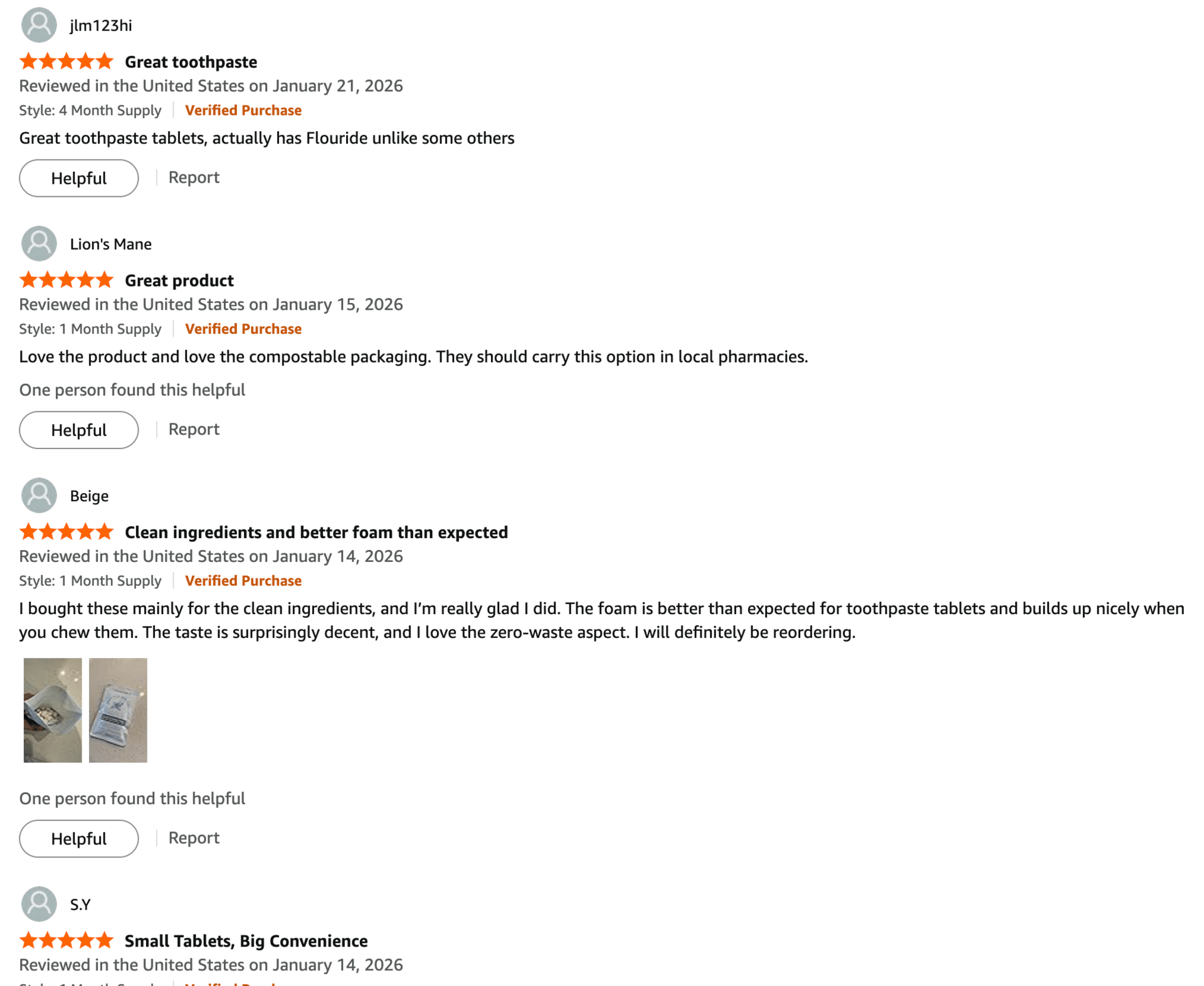
The result of many small changes adding up.
The earlier reviews are still part of the story. And I’m okay with that. Like kintsugi, the marks remain — but so does the work that went into strengthening them.
As January comes to a close, I don’t think progress looks like having everything figured out. More often, it looks like noticing what isn’t working and deciding to stay with it long enough to fix it.
Sometimes building something better isn’t about starting over.
It’s about repairing what’s already there — carefully, visibly, and over time.
— Founder of Tidalove
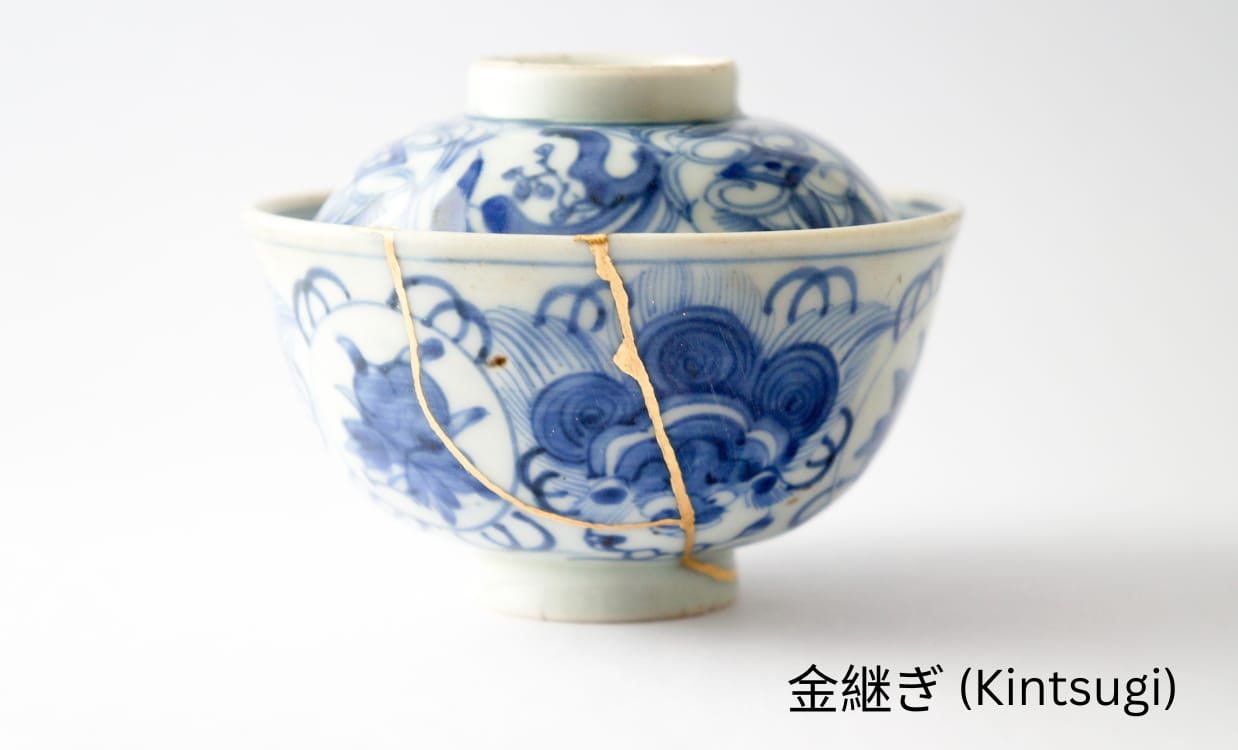
Image from Canva
Reply