- Simply Joyful
- Posts
- Decluttering Wasn’t the Answer
Decluttering Wasn’t the Answer
Minimalism Isn’t About Throwing Things Away – It’s About What Comes Next

Penny Choi
January 07, 2025
Finding What Truly Matters Beyond Decluttering
When I first decided to embrace minimalism, the process seemed simple.
Inspired by Marie Kondo’s book, I began letting go of things that no longer sparked joy.
I started with the storage room, then moved on to the kitchen, living room, and finally the garage – slowly making my way through every corner of the house.
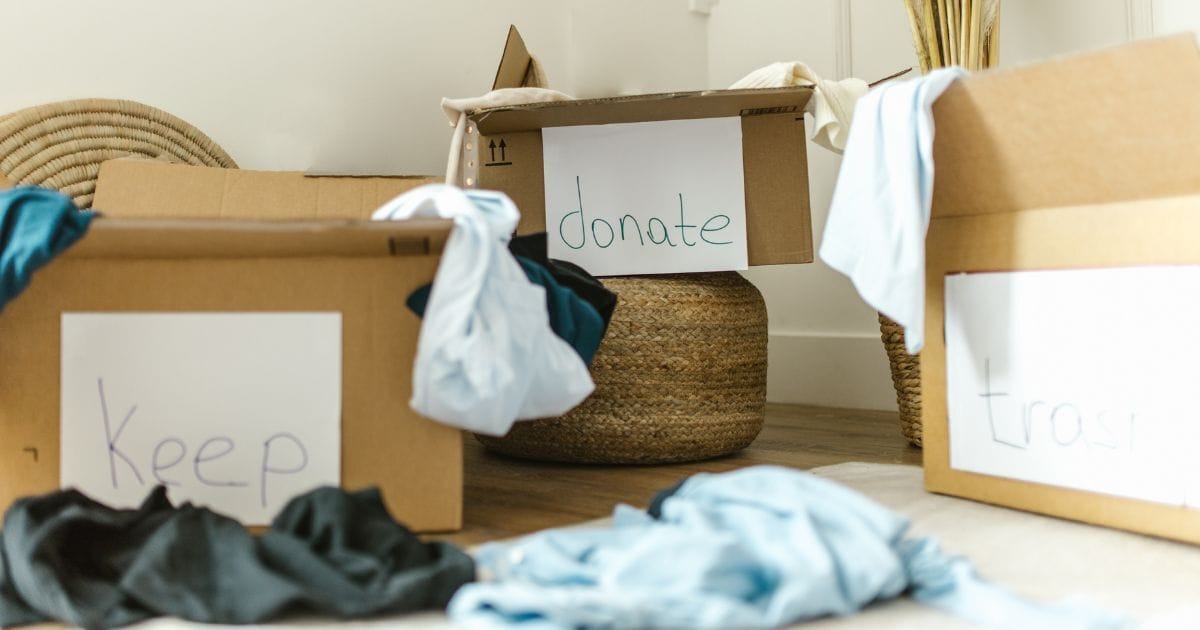
Photo via Canva
But I soon realized... there was just so much to get rid of.
I donated the kids' clothes and toys they had outgrown, and I sold some of the more expensive items on Marketplace.
I filled countless large trash bags and donated dozens of boxes to Goodwill.
Most of it was clothes and kitchen items. Walking away with a donation receipt in hand felt satisfying – like I was doing something good.
As I decluttered, space opened up in our home, and I felt lighter.
But even as I donated box after box, a small thought lingered in the back of my mind.
"Will the things I donate to Goodwill actually sell?"
If I no longer found value in these things, why would anyone else? What if no one wated to buy? Wouldn’t they just end up in the trash anyway?
After Googling, I found that, as expected, a portion of donated items eventually gets discarded – and the amount is staggering.
Knowing this left me feeling uneasy.
At the same time, news of wildfires, rising temperatures, floods, and extreme weather events kept surfacing.
I couldn’t help but feel anxious.
"I can’t leave this kind of world to my kids."
And that’s when it hit me.
Decluttering is important, but over time I realized that simply throwing things away wasn’t the real solution.
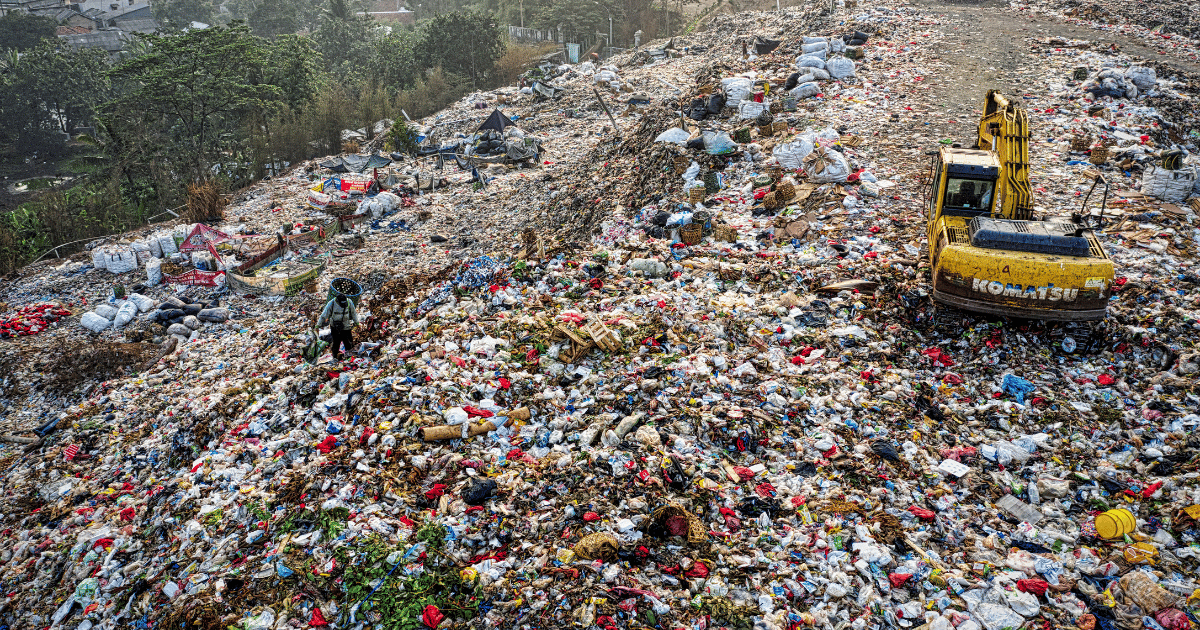
Photo via Canva
I’d look at the homes of famous minimalists—sparse, almost empty spaces—and sometimes I felt envious. But their lives weren’t like mine.
I’m a mom of two.
My family’s needs are different, and that’s perfectly okay.
There are things I could never part with—Mother’s Day cards my kids made, or that pretty coffee mug I’ve cherished for years. Letting them go felt like erasing memories, like denying pieces of who I am.
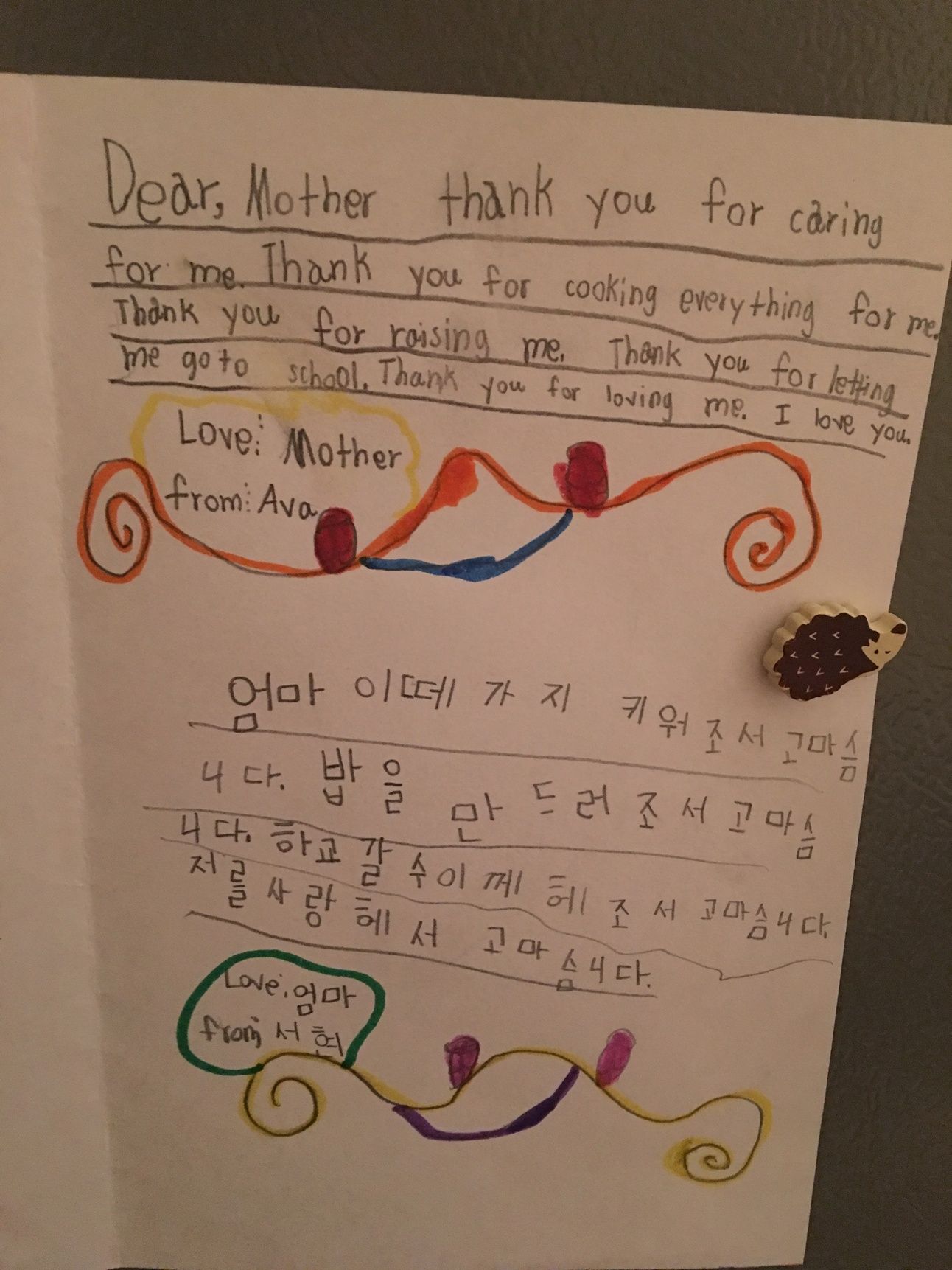
That’s when I realized – minimalism isn’t just about getting rid of things.
It’s about being more intentional with what I allow into my life to begin with.
Instead of focusing on getting rid of things, I need to be more mindful of what I bring into my home.
That small shift in mindset started to make a big difference.
Changing How I Shop
More than decluttering, the real challenge became preventing new clutter from piling up.
Will this last a long time?
Will I still need it 5 or 10 years from now?
What kind of waste will this eventually become?
As I began asking these questions, I noticed that shopping wasn’t as easy anymore.
Most of what I saw in stores felt cheap, like it would break easily, go out of style quickly, or had such poor quality that it wouldn’t last long. And even the everyday essentials—food, toiletries—were wrapped in plastic, making it feel like once discarded, it would linger forever.
"How much waste have I already created with the things I’ve thrown away?"
That thought alone made me hesitant to buy more.
But another thought crept in.
"What difference does it make if I’m the only one doing this?"
At school events, disposable plates and plastic cups were everywhere. I wondered if the small changes I was making at home could really make a difference.
As I continued to ask these questions, our home gradually became cleaner, clearer, and lighter. But even as I felt the positive effects, I couldn’t shake the feeling that this approach—while helpful—felt too passive in the bigger picture.
I started to wonder if I could, or should, do more.
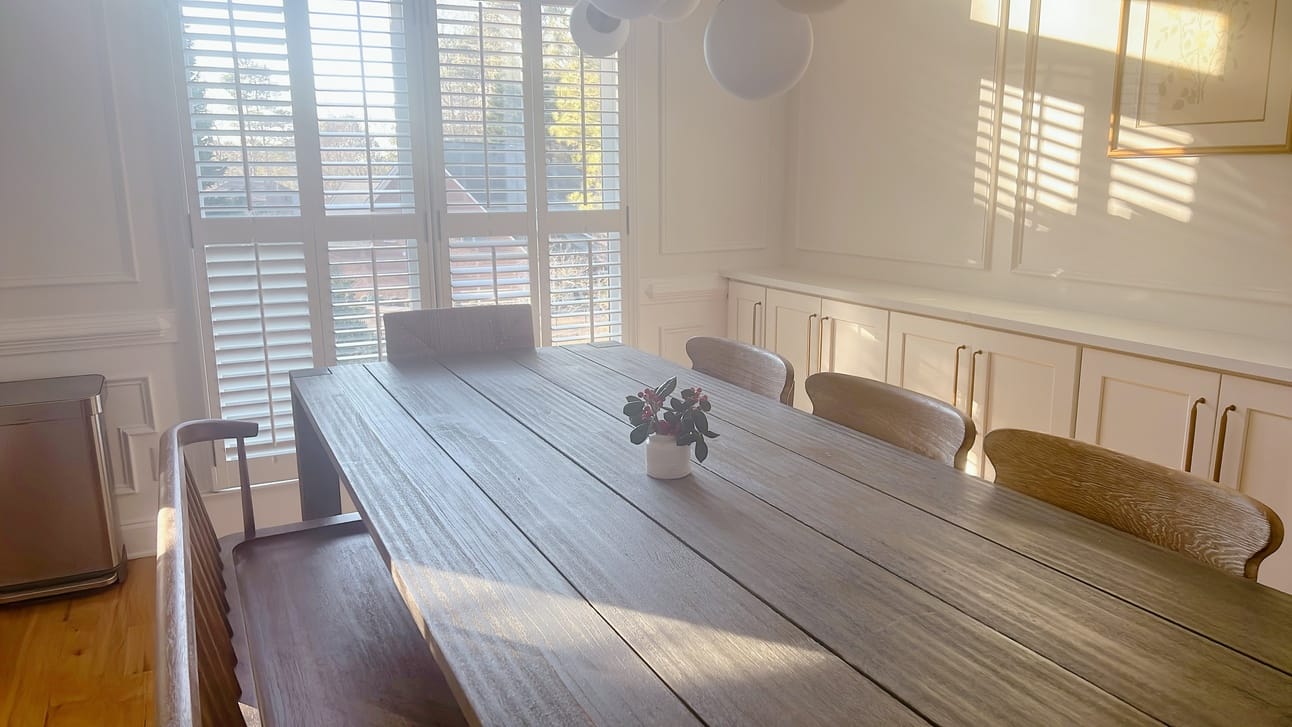
Selling Only What I Believe In
During this time, I left my job to take care of my kids, and the thought occurred to me –
“Why not sell products that actually help the environment?”
It felt ironic at first.
Trying to buy less, but then deciding to sell things?
But I realized – if I couldn’t find the kind of products I wanted to buy, maybe I needed to create them.
That’s when I had this thought:
"If I’m going to sell something, it has to be something that helps people live well without leaving unnecessary waste behind"
I wanted to create products that didn’t harm the environment and could be used for years to come.
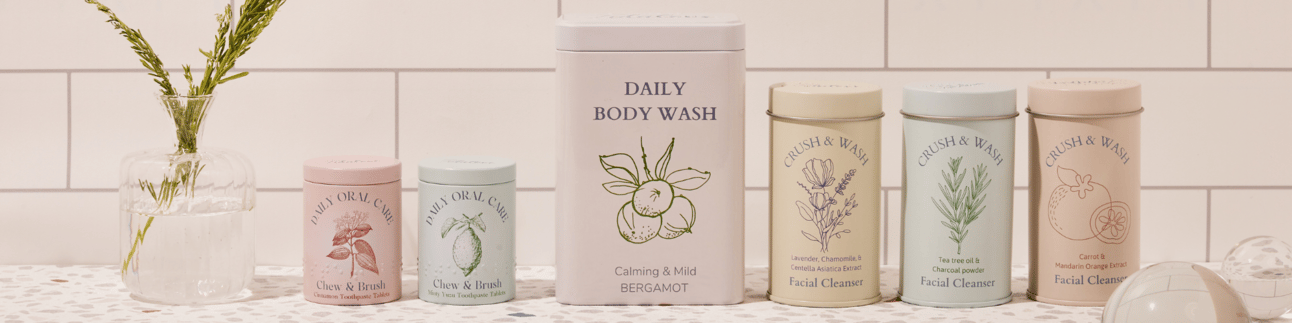
That idea became the foundation for what is now Tidalove.
Minimalism Is About More Than Letting Go
Minimalism isn’t just about getting rid of things –it’s about taking responsibility for what we own and what we will bring into our lives.
I know I’ll continue to buy things in the future, but I’ve started asking myself:
How long will this last?
Do I really need it, or am I filling a temporary void?
What impact will producing (and discarding) this have on the environment?
Is this adding to my life or just adding to the clutter?
Does this align with the kind of life I’m trying to create?
Even as the world moves fast, I believe that the small choices I make can create meaningful change.
And for me, that’s enough.
Thank you for reading,
Penny
From my journey to yours - Founder of Tidalove
Reply